
I help mine operators navigate critical risk and compliance challenges with a practical, systems-based approach.
Most sites already have mature critical control and compliance systems in place. The ongoing challenge is keeping those systems practical and effective as operations evolve, corporate knowledge shifts, and regulatory expectations change. I help teams review and refine their frameworks so they remain relevant, usable, and aligned with how work is carried out. This often includes validating whether current practices still reflect the original intent of the system and whether the system remains fit for purpose.
This involves assessing where processes have drifted, where documentation no longer reflects planned work versus actual work, or where departments or sites within the same corporate structure are applying controls differently. The primary goal is to ensure the intent behind your controls is carried through in day-to-day work and that leaders have clearer visibility of how those controls are performing across the operation.
I work closely with operational, technical, and HST teams to bring clarity to risk processes, simplify what has become complex, and support updates to frameworks, documentation, and practices that make governance more consistent, predictable, and ultimately more reliable.
The outcome is a system people understand, follow, and trust.
What this typically involves:
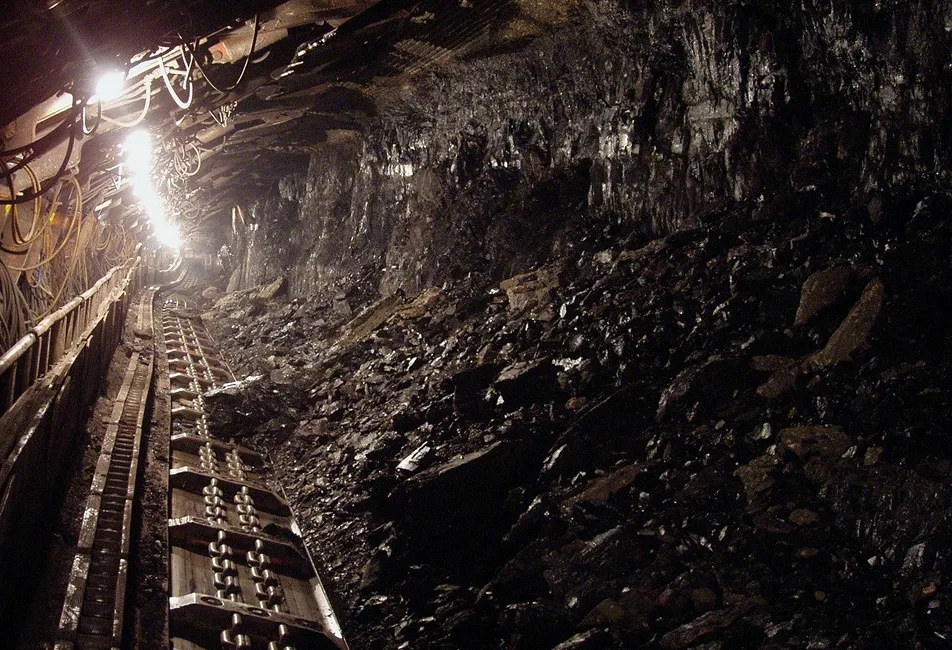
Assurance is about understanding how controls perform in practice, not just how they appear in documents. This work focuses on reviewing the quality of evidence that demonstrates control performance, understanding what the information is actually indicating, and assessing whether assurance activities are providing meaningful insight into system effectiveness. I provide clear, practical recommendations that support the site and the broader organisation in addressing gaps and improving how assurance is carried out.
This includes understanding how verification is completed in the field, whether the program is testing the right elements at appropriate intervals, and how findings are interpreted across departments. The aim is to help leaders build a clearer picture of performance over time, identify emerging trends, and determine where further work or clarification may be required. Recommendations are grounded in evidence and informed by operational context, with a focus on improvements that are durable and practical.
I lead independent ICAM investigations and reviews of site-led investigations to support this work. These provide clear, evidence-based insights into contributing factors, system interactions, and the implications for future assurance and verification activities. The goal is to help teams understand the factors involved in the event, identify practical actions that address underlying conditions or failed defences, support sustained improvement, and feed back into ongoing system performance.
What this typically involves:
Statutory roles come with significant responsibility, and people arrive in these positions with varying levels of experience and confidence. I work with Deputies, Undermanagers, Mining Engineers, and Emerging Leaders to build the judgement, confidence, and practical understanding needed to perform effectively in these roles.
This includes coaching individuals for statutory examinations, helping them develop the decision-making and applied problem-solving required for the role, and working through scenario-based examples that link the legislation, system requirements, and site expectations together. The focus is on building capability through clear, achievable milestones that support both the individual’s success and the needs of the operation.
I also support new or developing supervisors and technical personnel as they transition into statutory or higher-responsibility roles. This often involves clarifying role expectations, strengthening operational decision-making, and helping individuals understand the “why” behind their statutory duties so they can apply them consistently and with greater situational awareness.
What this typically involves:
Regulatory expectations continue to evolve, and high turnover across key industry roles means corporate knowledge and system intent can shift over time. I work with site and corporate teams to interpret these changes in context and develop clear, practical roadmaps that align with existing systems and the way the organisation manages risk.
This includes reviewing underlying risk assessments and principal hazard management plans, facilitating updates where needed, and ensuring critical controls and supporting documentation remain consistent with legislative requirements, codes of practice, and the organisation’s broader risk management framework. The focus is on helping teams understand not just what is required, but why, and ensuring governance processes support consistent decision-making across the business.
I also assist operations in mapping their current systems against legislative and code-of-practice requirements to understand how their documentation and processes reflect statutory obligations. This work helps identify where systems are functioning well, where there may be gaps or inconsistencies, and where targeted updates can improve alignment and support long-term governance stability.
What this typically involves:

Operational risk management can become challenging during periods of change, whether that’s shifts in workforce experience, adjustments to mine plans, or the loss of key technical or statutory personnel. I provide structured support to help sites maintain stability and alignment across their operational risk and technical governance processes.
This includes reviewing how operational risk controls are applied across planning, engineering, and production workflows, and identifying where gaps, inconsistencies, or assumptions may be influencing decision-making. The aim is to ensure technical inputs, operational practices, and statutory responsibilities connect in a clear and consistent way, giving leaders confidence in how risk is being managed across the operation.
I also assist teams by providing independent oversight, acting as a sounding board for complex operational or technical decisions, and helping coordinate inputs across disciplines. This can be particularly valuable during transitions, major projects, or periods where additional senior technical capability is needed to keep plans on track and ensure risk-related decisions are informed, practical, and aligned with site priorities.
What this typically involves:

Most sites already have mature critical control and compliance systems in place. The ongoing challenge is keeping those systems practical and effective as operations evolve, corporate knowledge shifts, and regulatory expectations change. I help teams review and refine their frameworks so they remain relevant, usable, and aligned with how work is carried out. This often includes validating whether current practices still reflect the original intent of the system and whether the system remains fit for purpose.
This involves assessing where processes have drifted, where documentation no longer reflects planned work versus actual work, or where departments or sites within the same corporate structure are applying controls differently. The primary goal is to ensure the intent behind your controls is carried through in day-to-day work and that leaders have clearer visibility of how those controls are performing across the operation.
I work closely with operational, technical, and HST teams to bring clarity to risk processes, simplify what has become complex, and support updates to frameworks, documentation, and practices that make governance more consistent, predictable, and ultimately more reliable.
The outcome is a system people understand, follow, and trust.
What this typically involves:
Assurance is about understanding how controls perform in practice, not just how they appear in documents. This work focuses on reviewing the quality of evidence that demonstrates control performance, understanding what the information is actually indicating, and assessing whether assurance activities are providing meaningful insight into system effectiveness. I provide clear, practical recommendations that support the site and the broader organisation in addressing gaps and improving how assurance is carried out.
This includes understanding how verification is completed in the field, whether the program is testing the right elements at appropriate intervals, and how findings are interpreted across departments. The aim is to help leaders build a clearer picture of performance over time, identify emerging trends, and determine where further work or clarification may be required. Recommendations are grounded in evidence and informed by operational context, with a focus on improvements that are durable and practical.
I lead independent ICAM investigations and reviews of site-led investigations to support this work. These provide clear, evidence-based insights into contributing factors, system interactions, and the implications for future assurance and verification activities. The goal is to help teams understand the factors involved in the event, identify practical actions that address underlying conditions or failed defences, support sustained improvement, and feed back into ongoing system performance.
What this typically involves:
Statutory roles come with significant responsibility, and people arrive in these positions with varying levels of experience and confidence. I work with Deputies, Undermanagers, Mining Engineers, and Emerging Leaders to build the judgement, confidence, and practical understanding needed to perform effectively in these roles.
This includes coaching individuals for statutory examinations, helping them develop the decision-making and applied problem-solving required for the role, and working through scenario-based examples that link the legislation, system requirements, and site expectations together. The focus is on building capability through clear, achievable milestones that support both the individual’s success and the needs of the operation.
I also support new or developing supervisors and technical personnel as they transition into statutory or higher-responsibility roles. This often involves clarifying role expectations, strengthening operational decision-making, and helping individuals understand the “why” behind their statutory duties so they can apply them consistently and with greater situational awareness.
What this typically involves:
Regulatory expectations continue to evolve, and high turnover across key industry roles means corporate knowledge and system intent can shift over time. I work with site and corporate teams to interpret these changes in context and develop clear, practical roadmaps that align with existing systems and the way the organisation manages risk.
This includes reviewing underlying risk assessments and principal hazard management plans, facilitating updates where needed, and ensuring critical controls and supporting documentation remain consistent with legislative requirements, codes of practice, and the organisation’s broader risk management framework. The focus is on helping teams understand not just what is required, but why, and ensuring governance processes support consistent decision-making across the business.
I also assist operations in mapping their current systems against legislative and code-of-practice requirements to understand how their documentation and processes reflect statutory obligations. This work helps identify where systems are functioning well, where there may be gaps or inconsistencies, and where targeted updates can improve alignment and support long-term governance stability.
What this typically involves:
Operational risk management can become challenging during periods of change, whether that’s shifts in workforce experience, adjustments to mine plans, or the loss of key technical or statutory personnel. I provide structured support to help sites maintain stability and alignment across their operational risk and technical governance processes.
This includes reviewing how operational risk controls are applied across planning, engineering, and production workflows, and identifying where gaps, inconsistencies, or assumptions may be influencing decision-making. The aim is to ensure technical inputs, operational practices, and statutory responsibilities connect in a clear and consistent way, giving leaders confidence in how risk is being managed across the operation.
I also assist teams by providing independent oversight, acting as a sounding board for complex operational or technical decisions, and helping coordinate inputs across disciplines. This can be particularly valuable during transitions, major projects, or periods where additional senior technical capability is needed to keep plans on track and ensure risk-related decisions are informed, practical, and aligned with site priorities.
What this typically involves:
I work primarily with underground and surface coal operations across Australia, with selected engagements in metals and quarrying sectors where my expertise adds value.
My focus is strengthening critical control frameworks and building compliance systems that are practical, sustainable, and aligned with best-practice operational and governance standards.
This approach applies across complex, high-risk environments where disciplined critical control management underpins safe and consistent performance.



“Lorem ipsum dolor sit amet, consectetur adipiscing elit, sed do eiusmod tempor incididunt ut labore et dolore magna aliqua. Ut enim ad minim veniam, quis nostrud exercitation ullamco laboris nisi ut aliquip ex ea commodo consequat. Duis aute irure dolor in reprehenderit in voluptate velit esse cillum dolore eu fugiat nulla pariatur. Excepteur sint occaecat cupidatat non proident, sunt in culpa qui officia deserunt mollit anim id est laborum.”